Introduction
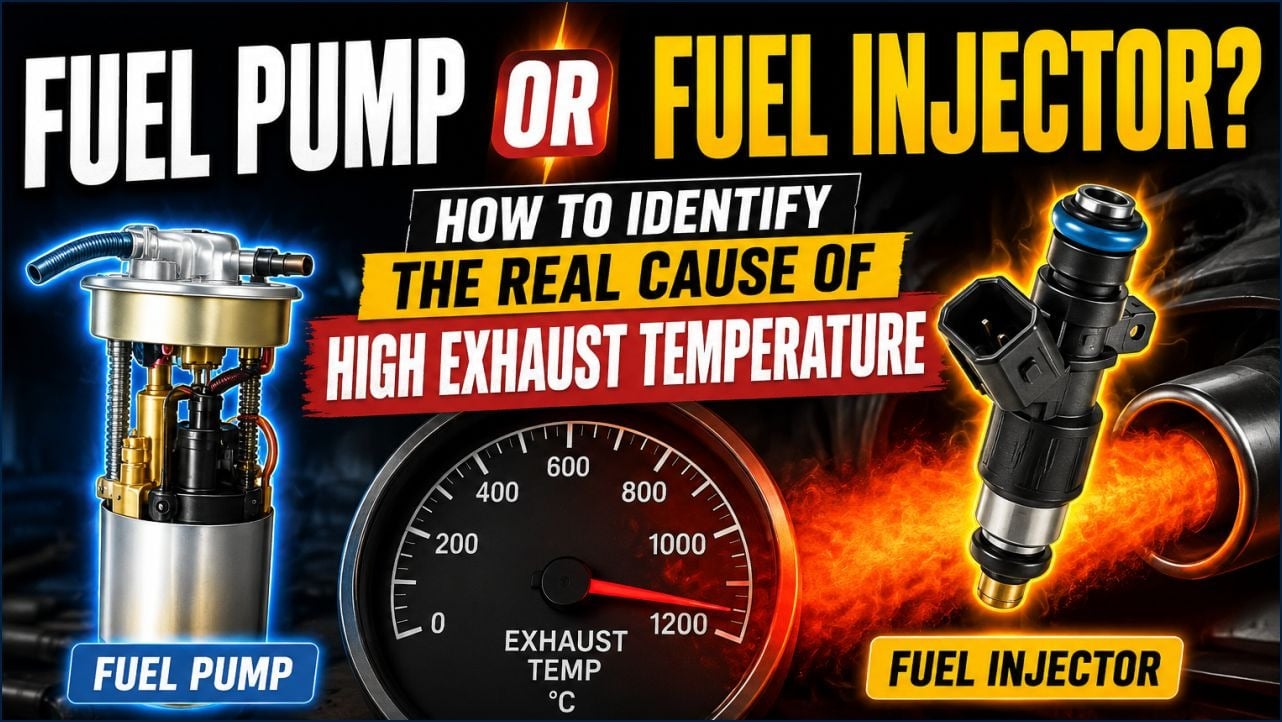
High exhaust gas temperature (EGT) is one of the most common and dangerous alarms on a marine diesel engine. It warns of thermal overloading, which can quickly lead to burnt exhaust valves, cracked cylinder heads, or even turbocharger failure. Unfortunately, engineers often replace the fuel injector first, assuming it's the culprit, only to find the high EGT persists because the real issue lies within the fuel injection pump.
Symptoms of High Exhaust Temperature
Symptom Observation High EGT (Single Cylinder) Pyrometer reading significantly higher than fleet average. Black Smoke at Funnel Indicates incomplete combustion or lack of scavenge air.Fuel Pump Related Causes
If replacing the injector doesn't work, the fuel pump is likely the issue:
- Timing issues: Retarded injection timing means fuel burns late in the cycle, pushing flames and extreme heat directly out the exhaust valve. This can be caused by a slipped cam or incorrect shim thickness under the pump.
- Plunger wear: Worn plungers leak fuel internally, reducing the total volume of fuel delivered. The governor compensates by increasing the fuel rack position, which retards the timing and increases EGT.
- Barrel wear: Similar to plunger wear, leading to poor pressure buildup.
Fuel Injector Related Causes
The injector is responsible for fuel atomization:
- Poor atomization: Worn nozzle holes spray solid streams of fuel rather than a fine mist. The fuel burns slowly and late.
- Carbon deposits: "Trumpets" of carbon forming on the nozzle tip disrupt the spray pattern.
- Needle sticking: A sluggish needle valve allows secondary injection (dribbling) after the main injection event has finished, burning fuel directly in the exhaust port.
Step-by-Step Diagnostic Procedure
Follow this logical workflow to isolate the problem:
- Verify the Sensor: Swap the EGT pyrometer/thermocouple with an adjacent cylinder. If the high temperature follows the sensor, it's a faulty sensor, not an engine problem.
- Check Peak Pressure (Pmax): Use an engine indicator. Low Pmax combined with high EGT strongly points to late injection timing (Fuel Pump).
- Swap the Injector: This is the easiest mechanical check. Replace the injector with a known good spare. If EGT drops, the injector was faulty.
- Check Fuel Pump Timing: If the injector swap fails, check the fuel pump timing mark (VIT index on MAN engines) and the condition of the fuel cam roller guide.
- Overhaul the Fuel Pump: If timing is correct but Pmax is still low, the plunger and barrel are worn and the pump must be replaced or overhauled.
Common Mistakes During Troubleshooting
- Ignoring the scavenge air temperature (high air temp = high EGT).
- Failing to check the exhaust valve for a burnt seat (blow-by causes high EGT).
- Blindly adjusting the fuel pump timing without taking indicator cards first.
Frequently Asked Questions
Can a dirty turbocharger cause high EGT?Yes. A fouled turbocharger compressor or turbine restricts scavenge air flow to the cylinders. Less air means a richer fuel mixture, resulting in incomplete combustion, black smoke, and high EGT across ALL cylinders.
How does Heavy Fuel Oil (HFO) affect fuel pumps?HFO contains catalytic fines (aluminum and silicon oxides) from the refining process. If the purifiers aren't working correctly, these abrasive particles bypass the filters and rapidly wear out the high-precision fuel pump plungers.