Stock for Probability, Not Possibility
No vessel carries everything; class minimum-safe-manning of spares plus the chief's experience decides the store list. The working rule: stock what fails often, what stops the ship, and what cannot be flown in before the next port. Everything else lives best in a supplier's warehouse with a 48-hour dispatch promise.
The Non-Negotiable Shelves
- Fuel system: injector nozzles and complete injectors for each engine type, fuel pump plungers/barrels, VIT seals and high-pressure pipes. A clogged nozzle at sea is routine; sailing without spares is not.
- Cooling: thermostat elements, JW and LT pump seals and bearings, heat-exchanger gaskets and zinc anodes.
- Starting and control air: compressor valve plates and gaskets, starting-air valve spares, governor drive belts and seals.
- Electrical: AVR cards where fitted, bearing sets for alternators, a full fuse and lamp range, insulation tape and cable lugs by the hundred.
- Safety and statutory: fire-detector heads and call points, breathing-apparatus seals, O2/LEL calibration gas before expiry, lifeboat release-hook service kits per the maintenance schedule.
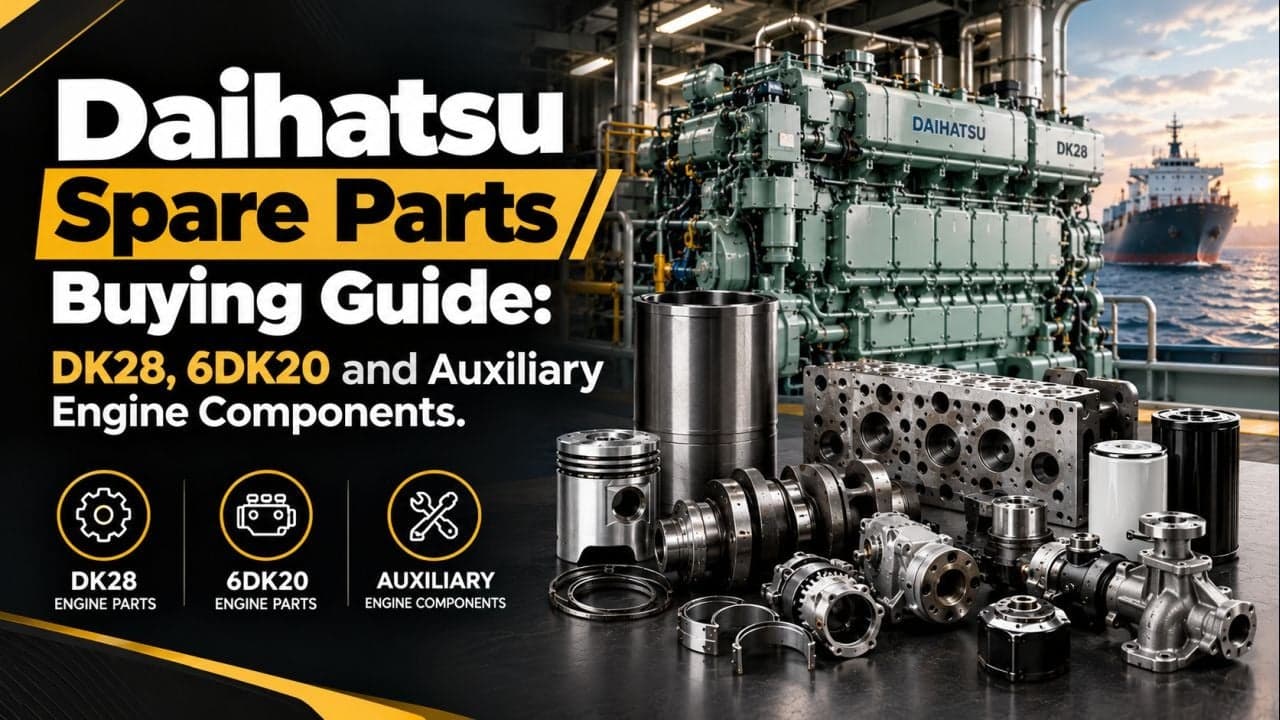
- Engine-specific rotating spares: one cylinder head, one piston with rings and one liner per engine type on long-haul vessels; bearings (main, big-end, thrust) one set above the running set.
What to Stop Overstocking
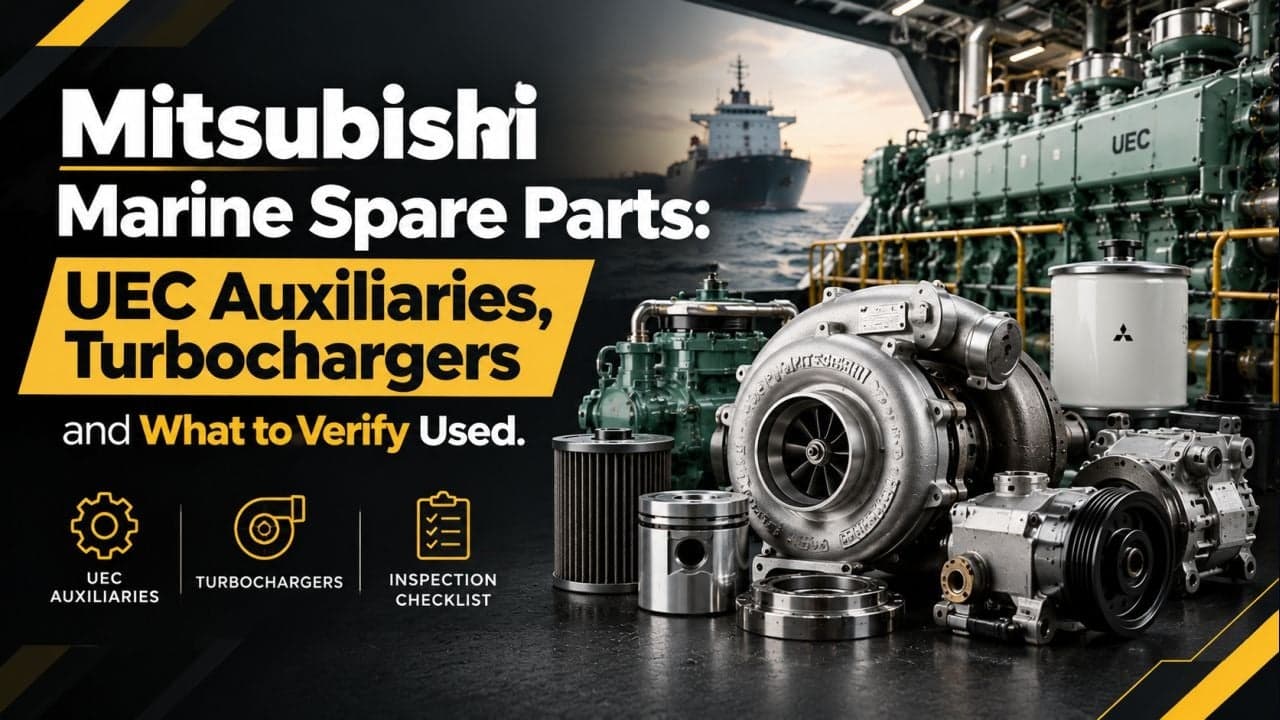
Heavy, slow-moving insurance spares — spare crankshafts, complete turbocharger rotors, spare engine blocks — tie up capital and corrode in store. These belong with a supplier holding inspected, preserved stock: our new arrivals rotate weekly, and engine parts coverage spans two-stroke crossheads to high-speed auxiliaries. Pair this list with a planned maintenance system so consumption drives replenishment, and keep our emergency procurement playbook bookmarked for the day the store shelf is empty. To build the list for a specific vessel, send the engine particulars to the sales desk.